

Polyether TPU 3D Printing Filament | Flexible, Tough, Hydrolysis-Resistant
Polyether TPU 3D Printing Filament
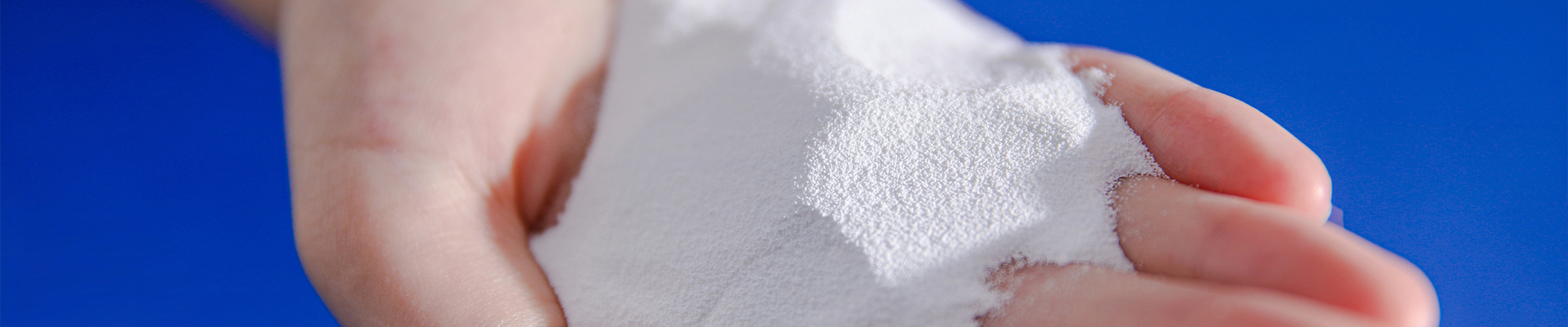
Polyether-based TPU compounds engineered for 3D printing filaments (FDM/FFF), offering high elasticity, smooth flow, and stable extrusion with minimal moisture sensitivity compared to polyester TPU.
Suitable for flexible functional prints, prototyping and end-use parts requiring durability and environmental stability.
Typical applications include soft grips, vibration-damping components, cable protectors, jigs & fixtures, footwear prototypes, drone parts, and custom elastomeric components.

Smooth Extrusion
Low Moisture Sensitivity
High Elasticity
Shore 85A–95A
Where These TPU Filament Grades Are Used
Polyether TPU filament compounds are commonly applied in:
- Flexible functional parts – hinges, seals, vibration dampers
- Prototyping elastomeric components – footwear structures, soft casings
- Cable and pipe protection – spiral guards and flexible sleeves
- Custom jigs & fixtures – grips, pads and anti-slip components
- Consumer goods – flexible phone cases, ergonomic handles

Typical Polyether TPU Filament Grades
| Grade | Hardness | Key Performance | Processing | Typical Use |
|---|---|---|---|---|
| Polyether TPU 85A Print | 85A | Soft & elastic, easy feeding, good layer bonding | Extrusion → Filament | Soft wearable parts, flexible covers |
| Polyether TPU 90A Print | 90A | Balanced toughness, good printability, smooth flow | Extrusion → Filament | General flexible components |
| Polyether TPU 95A Print | 95A | Higher rigidity, dimensional accuracy, durable prints | Extrusion → Filament | Functional mechanical parts |
Note: Grades and hardness are for reference. Custom colors, flow index and anti-hydrolysis formulations can be tailored.
Key Advantages of Polyether TPU for 3D Printing

- High elasticity and rebound – ideal for flexible and wearable parts
- Smooth and stable extrusion – helps avoid clogging and inconsistent flow
- Lower moisture sensitivity compared to polyester TPU
- Improved hydrolysis resistance for outdoor or humid environments
- Good layer adhesion enabling durable and functional prints
Processing & Recommendations
Polyether TPU printing compounds are designed for filament extrusion and FDM 3D printing.
- Drying: 70–80 °C for 2–3 hours before filament extrusion
- Nozzle temperature: 210–230 °C depending on hardness
- Bed temperature: 40–60 °C, or unheated with adhesion spray
- Print speed: slow-to-medium (20–40 mm/s) for consistent feeding
- Cooling: low fan speed to maintain layer bonding
Filament producers can request custom flow tuning, diameter stability enhancements and color-matching for brand-line filaments.
Application Gallery
Examples of printed parts using polyether TPU filaments:


Target Markets
- Producers of TPU 3D printing filament (OEM / brand-line manufacturers)
- Factories making customized flexible printed parts
- Consumer goods producers using TPU prints for low-volume manufacturing
- Workshops producing custom jigs, fixtures, soft housings and prototypes
Request Samples / TDS
Looking for TPU compounds optimized for stable filament extrusion or consumer-grade printing quality?
Contact us for sample materials, flow-tuned versions and technical data sheets.
Explore related materials:
Polyether TPU Overview |
Polyether TPU Hose |
Polyether TPU Cable Jacket |
Polyether TPU Belt
