

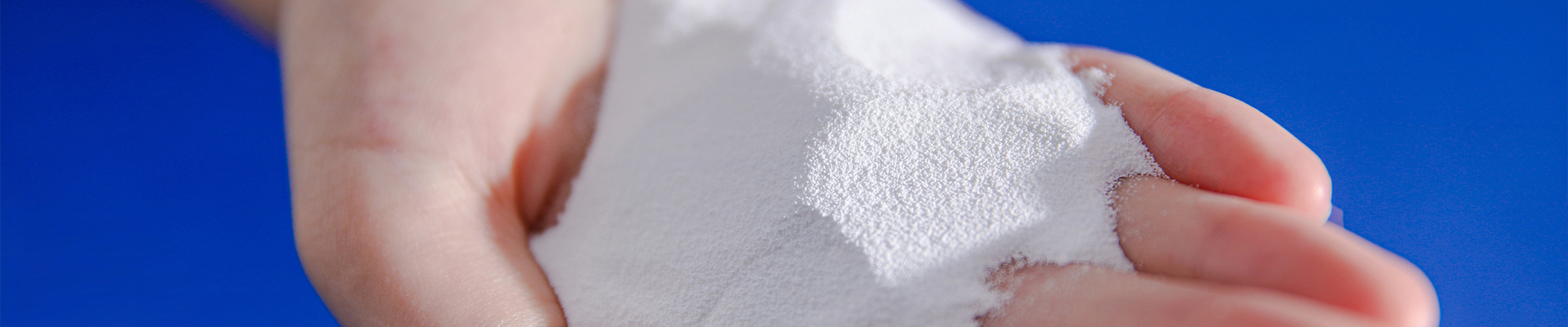
Medical Catheter TPU | Soft-Touch, Low-Friction, Precision Extrusion

Medical Catheter TPU
TPU material selection for medical catheter applications, where flexibility, bend stability, and long-term performance consistency must align with
smooth surface quality and precision extrusion stability.
This page focuses on typical catheter use scenarios, practical shortlist logic, and common risks that drive trial failures.
bend fatigue, long-term property retention, surface smoothness, and a stable extrusion window—especially on small diameter and tight tolerance designs.
Long-Term Property Retention
Smooth Surface
Precision Extrusion
Consistency Focus
Shore 70A–55D
Typical Applications
- General catheter tubing – designs requiring stable flexibility, smooth feel, and reliable extrusion on small dimensions.
- Short-term contact catheters – projects prioritizing processing stability, appearance, and consistent mechanical performance.
- Longer-duration use (project-dependent) – applications where long-term retention and reduced migration/extractables direction are central to selection planning.
Quick Grade Selection (Shortlist)
- Comfortable bend and routing behavior is the priority
- Low stiffness and stable feel are required
- You want strong bend stability at smaller radii (project-dependent)
- Small diameter and tight tolerances increase extrusion risk
- Surface smoothness and appearance stability are critical
- Scale-up needs a wider, more repeatable processing window
Note: Final selection depends on catheter design (ID/OD, wall thickness), target feel and stiffness, process route, and your internal verification plan (project-dependent).
Common Failure Modes (Cause → Fix)
In catheter extrusion projects, most issues come from an imbalance between flexibility, long-term stability, surface quality and processing discipline. Use the table below as a quick diagnostic:
| Failure Mode | Most Common Cause | Recommended Fix |
|---|---|---|
| Kinking / collapse during bending | Geometry + stiffness balance not matched; wall too thin for target softness | Rebalance hardness and modulus direction; confirm ID/OD/wall; validate on bent assemblies |
| Property drift after aging / conditioning | Formulation route not positioned for long-term retention; process heat history too aggressive | Choose long-term stability direction; tighten heat/shear control; verify after aging (project-dependent) |
| Surface roughness / haze / die lines | Moisture, contamination, or unstable melt; die condition and cooling not optimized | Dry thoroughly; stabilize temperature profile; improve filtration and die maintenance; tune cooling |
| Dimension instability (OD/ID fluctuation) | Narrow processing window; output drift; vacuum/cooling instability | Widen process window; stabilize line speed and vacuum; standardize start-up and long-run control |
repeatable on the extrusion line for small diameters and tight tolerances.
Typical Grades & Positioning
| Grade Family | Hardness | Design Focus | Typical Use |
|---|---|---|---|
| TPU-MED CAT Soft & Flexible | 70A–90A | High flexibility and bend stability direction with smooth feel | Catheter designs prioritizing soft routing behavior and stable handling feel |
| TPU-MED CAT Stable & Process-Ready | 85A–55D | Wider processing window, surface smoothness and dimensional stability direction | Small diameter / tight tolerance catheter tubing where extrusion stability dominates |
Note: Positioning is application-focused. Final selection depends on catheter geometry, extrusion setup, and validation plan (project-dependent).
Key Design Advantages
- Flexibility with practical bend stability to reduce kinking risk in real routing conditions.
- Long-term retention direction for projects sensitive to aging and performance drift (project-dependent).
- Smooth surface and stable appearance to support consistent device handling and visual quality.
- Extrusion stability focus to support small diameter production and tighter tolerances.
Processing & Recommendations (3-Step)
- Diameter sensitivity: Confirm stability at your target ID/OD and wall thickness, not only on larger trial tubes.
- Surface discipline: Filtration, die condition, and cooling stability strongly influence smoothness and appearance.
- Long-run repeatability: Tighten start-up procedures and long-run controls to reduce drift across lots and shifts.
Is this page for you?
- Your catheter kinks or collapses during bending and routing
- Your surface quality is inconsistent (haze, die lines, rough feel)
- Your OD/ID stability is hard to control on small diameters
- You need a shortlist aligned to flexibility, long-term stability direction, and precision extrusion
Request Samples / TDS
If you are developing a medical catheter and want to reduce trial risk,
contact us for a recommended grade shortlist and technical data sheets based on your catheter geometry,
process route and key constraints.
- Catheter type and contact scenario (short-term / longer duration, project-dependent)
- ID/OD, wall thickness range, and target hardness / feel
- Process route and line notes (extrusion stability issues, surface issues, tolerance challenges)
- Any key validation focus (aging stability, appearance, bend behavior, project-dependent)


