

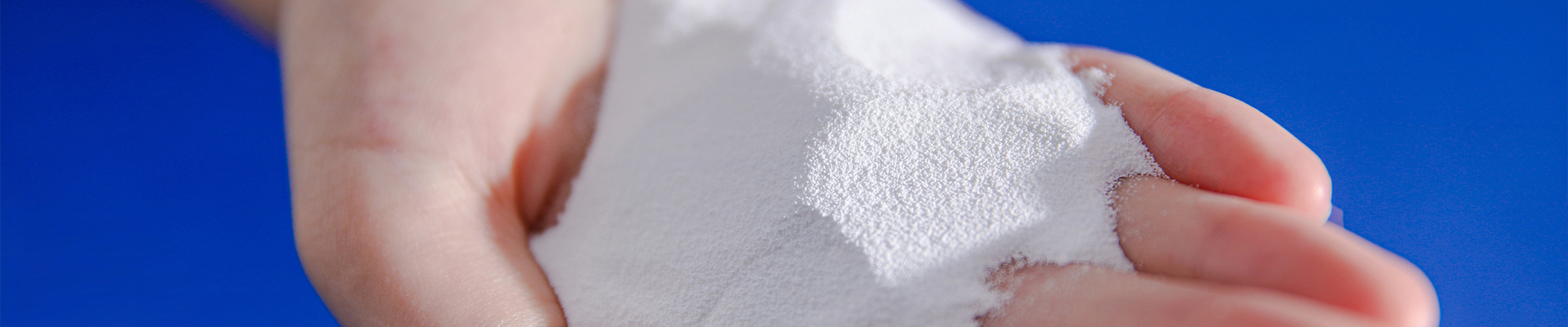
Soft-touch TPE | When TPU Is Over-designed for Tactile Parts

Soft-touch TPE (When TPU Is Over-designed)
For many tactile parts, the real requirement is not maximum mechanical strength,
but consistent touch feel, stable appearance, and reliable mass production.
In these cases, TPU can be over-specified for the job.
This page explains when a soft-touch TPE route is a more practical choice,
with a focus on process stability and user-perceived quality.
that do not exist in the real part.
If the part is not exposed to high abrasion, high load, harsh media, or extreme temperatures,
a well-selected soft-touch TPE can deliver the needed feel and durability with a simpler manufacturing route.
Stable Surface
Easy Processing
Consumer-facing Parts
Overmolding-ready
Typical Applications
- Grips and handles – tools, appliances, and handheld products where comfort matters.
- Overmolded touch points – soft zones on rigid housings for better control and perceived quality.
- Protective bumpers and edge covers – parts where impact feel and surface consistency are priorities.
- Wearable and personal accessories – products requiring stable touch feel for daily use.
Fast Check: When TPU Is Likely Over-designed
| Project Reality | What You Actually Need | Why Soft-touch TPE Fits |
|---|---|---|
| No high abrasion or sliding wear | Comfortable touch and surface consistency | TPE can deliver stable feel without optimizing for abrasion-heavy service |
| No harsh oil/grease/fuel exposure | Reliable performance in normal indoor/outdoor use | Material route can be simplified for normal environments |
| No extreme low-temperature flex demand | Stable feel across typical temperatures | TPE selection can prioritize processing and appearance stability |
| Main complaints are smell, tackiness, or surface variation | User-perceived quality control | Soft-touch TPE can be tuned for odor control and surface consistency |
What to Prioritize for Soft-touch Parts
- Feel consistency: avoid drift into “too sticky” or “too dry” after molding and over time.
- Surface appearance: stable gloss/matte behavior and reduced swirl/flow mark sensitivity.
- Odor control: especially for indoor products and consumer electronics.
- Overmolding behavior: adhesion and interface stability on the chosen rigid substrate (project-dependent).
- Manufacturing repeatability: stable cycle behavior and reduced sensitivity to minor process drift.
Quick Grade Positioning
- Comfortable feel and stable appearance for common touch points
- Suitable for most grips, handles, and protective parts
- Designed for repeatable molding and overmolding
- For projects sensitive to odor, tackiness, or long-term feel drift
- Recommended for indoor consumer products and enclosed environments
- Prioritizes consistent sensory performance over time
Note: Final grade positioning depends on substrate choice (if overmolding), desired surface feel, and the real use environment.
Processing Notes (What Usually Helps First)
- Temperature discipline: avoid overheating that can amplify odor and surface variability.
- Cycle consistency: stable residence time helps reduce lot-to-lot and run-to-run drift perception.
- Mold surface and venting: tactile parts often expose surface defects more clearly than structural parts.
- Post-mold handling: storage conditions can affect perceived odor and surface feel in early days.
When to Use Advanced Functional Support
If the project requires soft-touch feel together with other constraints
such as long-term odor stability, demanding adhesion to a specific substrate,
low friction surface behavior, or strict compliance expectations,
an advanced functional route can reduce iteration time.
soft-touch + low odor long-term stability, soft-touch + medical/food contact,
soft-touch + high adhesion requirement, and soft-touch + tight surface appearance standards.
Request Samples / TDS
To recommend a soft-touch TPE shortlist efficiently, please share your part type,
touch feel expectation, and whether overmolding is involved. We will propose a focused grade direction
and trial guidance aligned with your real use environment.
- Part type and application (grip/handle/bumper/overmolded touch point)
- Overmolding substrate (if any) and interface requirement (project-defined)
- Sensory priorities: soft-touch feel, odor sensitivity, tackiness tolerance
- Use environment and expected lifetime

