

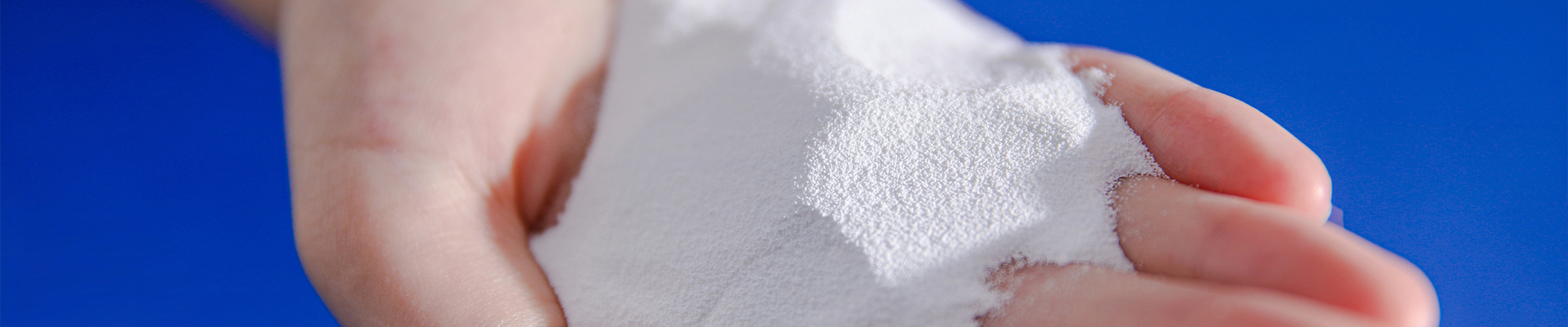
TPU Waterproof / Breathable Film Compounds | Monolithic & Microporous

TPU Waterproof / Breathable Film Compounds
TPU waterproof / breathable membrane solutions supplied as film-grade compounds or finished TPU membrane films,
engineered for waterproof–breathable balance, long-term durability under washing and heat-humidity exposure, and real lamination stability.
or when the film is placed into a real laminated structure. We focus on reducing that trial risk.
Wash / Heat-Humidity Durability
Hydrolysis Resistance Route
Lamination Stability
Elasticity Retention
Processing Window Robustness
Is This Page for You?
You will benefit most if
- Waterproof / breathability looks fine initially, then drops after washing or heat-humidity exposure.
- The membrane becomes brittle or loses elasticity over time.
- Lamination passes at first, then delamination appears after aging or cycling.
- Performance is inconsistent across lots or line conditions.
Common membrane structures
- Monolayer TPU membrane film
- TPU membrane + textile lamination (hot-melt / reactive / film-to-fabric)
- Co-ex or composite film structures (project-dependent)
- Membrane systems requiring elastic recovery and long-term stability
Note: Final selection depends on structure and validation plan (washing, aging, hydrolysis exposure, etc.).
Choose Your Route (Fast Selection)
Start with the dominant constraint. If your project has multiple constraints (e.g., high MVTR + wash durability + lamination stability),
we typically shortlist 2–4 routes and stabilize the processing window before deeper validation.
Breathability Priority
When MVTR is the primary driver and you still need a stable film and realistic durability margin.
- Watch-out: MVTR drops after aging
- Risk: over-optimizing one metric
- Tuning: balance MVTR + elasticity retention
Wash / Durability Priority
When washing cycles or heat-humidity exposure dominate the spec and long-term stability matters most.
- Watch-out: brittleness after exposure
- Risk: hydrolysis / aging pathway mismatch
- Tuning: durability route + aging package
Lamination Priority
When bonding reliability and line robustness dominate (substrate compatibility, activation window, scale-up stability).
- Watch-out: delamination after aging
- Risk: narrow lamination window
- Tuning: compatibility + softening window stability
Common Failure Modes (Cause → Fix)
Waterproof–breathable systems are often “system failures”: structure, durability pathway, and processing sensitivity interact.
Use the table below as a quick diagnostic.
| Symptom on Film / Laminate | Most Common Root Cause | Typical Fix Direction |
|---|---|---|
| Breathability (MVTR) drops after washing / aging | Durability pathway mismatch; exposure underestimated; structure-sensitive performance | Switch durability route; validate with the real wash/aging method; balance MVTR + stability |
| Film becomes brittle / loses elastic recovery | Over-optimized breathability; stiffness rises after aging; insufficient stability margin | Rebalance elasticity retention; tune polymer route and stabilization strategy |
| Delamination after aging or cycling | Compatibility or activation window not stable; lamination stress underestimated | Adjust lamination route; expand process window; verify on real structures |
| Performance inconsistent across lots or line conditions | High process sensitivity; narrow processing window; moisture/thermal history effect | Stabilize processing window (drying + thermal control); improve formulation robustness |
| Appearance / feel changes after exposure | Aging package not aligned with service condition; surface/structure drift | Align aging route with field exposure; confirm validation plan and criteria |
A successful membrane compound is the one that delivers stable waterproof–breathable performance
while keeping elasticity and lamination reliability after your real aging method.
What We Tune (Membrane-Relevant Options)
Below are typical tuning directions for waterproof / breathable films. Final feasibility depends on structure,
thickness, and how performance is verified (washing, aging, hydrolysis exposure, etc.).
Performance Balance
- Waterproof–breathable balance strategy
- Elastic recovery retention
- Stability under thickness changes
Durability Path
- Heat-humidity durability route
- Hydrolysis resistance strategy (project-dependent)
- Aging stability under real exposure
Lamination Robustness
- Compatibility with substrate / adhesive route
- Activation / lamination window stability
- Scale-up stability and defect reduction
How We Run Trials (Shortlist → Stabilize → Verify)
1) Shortlist
We start from your structure and dominant failure risk, then propose a small shortlist (usually 2–4 routes).
- Film structure (mono / co-ex / laminate)
- Thickness and target feel
- Dominant constraint(s)
- Delivery preference: compound extrusion or finished membrane film
2) Stabilize Processing
We tune line robustness to reduce drift: drying discipline, thermal history control, and window stability.
- Drying discipline and moisture control
- Heat/shear control and stability
- Unwind / handling stability (if relevant)
3) Verify on Real Structures
Membranes must be verified on real laminated structures under your real aging / washing method.
- Waterproof + MVTR retention
- Elastic recovery after exposure
- Lamination reliability after aging
Request Samples / TDS
We support both TPU membrane film supply and film-grade TPU compound supply, depending on your production setup.
To recommend a membrane shortlist quickly, please share:
- Film structure: mono / co-ex / laminate, and what the film is laminated to (if applicable)
- Thickness: target thickness range and any critical zones
- Targets: waterproof level, MVTR requirement, and priority (which one dominates)
- Durability plan: washing method/cycles or heat-humidity aging condition (if known)
- Process notes: drying practice, line setup, and scale-up constraints


